recover-from-a-losing-streak

Bounce Back From Your Losing Streak And Keep Trading

recover-from-a-losing-streak

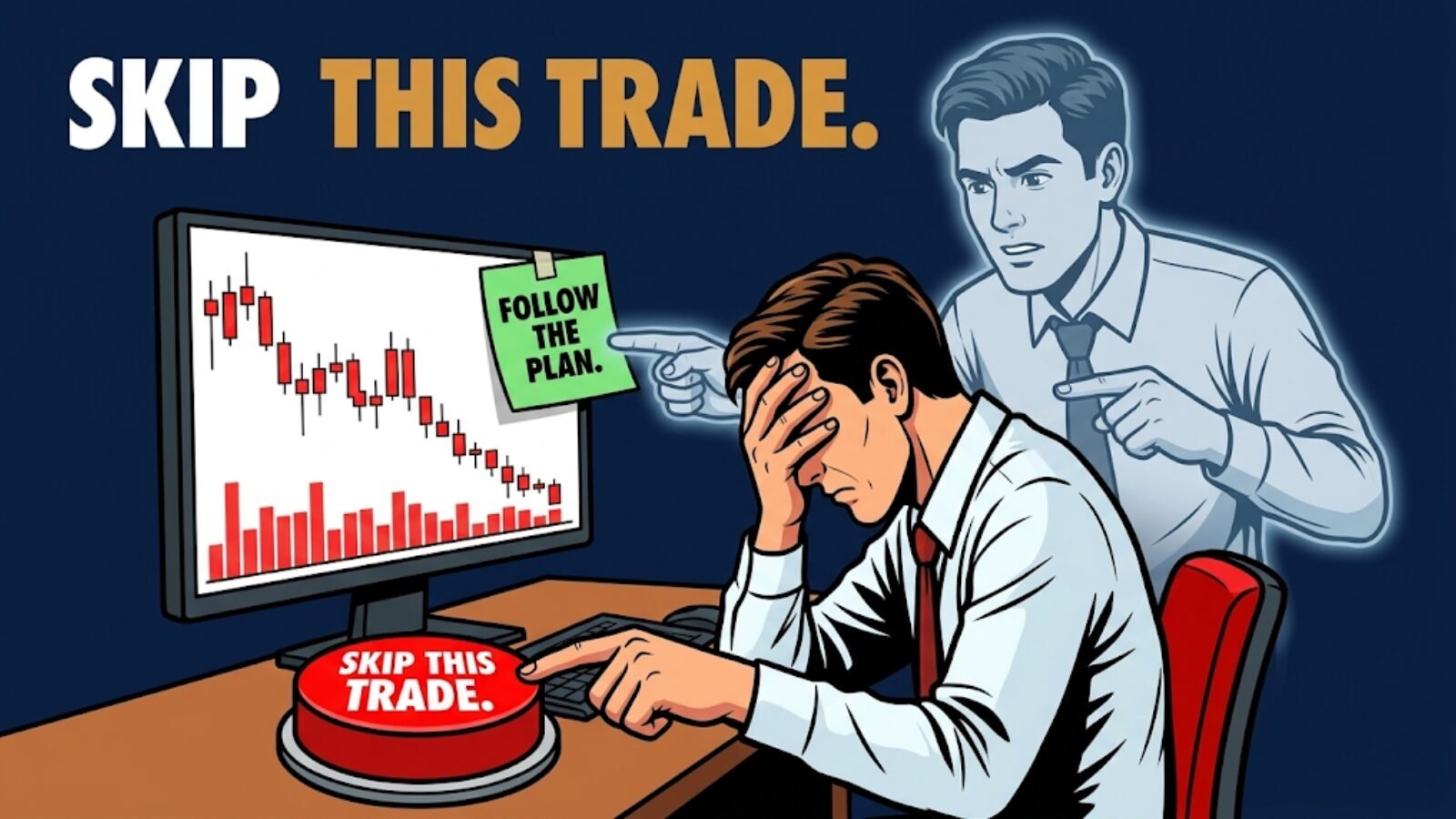
You’ve had a few bad trading days and now you’re ready to give up. You may have blown up your account one too many times and you’re thinking this isn’t for me. Before closing your accounts and unsubscribing from all your trading software, remember, no trader has become profitable by quitting. 


Whether it’s $50 or $5,000, losing money hurts; but that’s an inevitable part of this business. The best traders know how to brush themselves off, get back up and turn their losses into lessons. 


Here are some tips to help you change your mindset and recover from a losing streak. 

How to think: 

Every business goes through cycles where performance fluctuates between highs and lows and sometimes yields negative results. The business of trading is no different; and the more quickly you accept this, the better off you will be in the long run. 

Diversification creates peace of mind. 

By allowing yourself permission to have losing days and move forward from them, you relieve psychological stress that triggers bad habits, like overtrading, that can turn your worries into a self-fulfilling prophecy. This is easier said than done, especially if your entire portfolio is invested in the markets. That’s why the first thing to consider when bouncing back from a losing streak is diversification of your investments. 

By creating multiple streams of income, you can mentally give yourself space to make mistakes, and peace of mind knowing that you have a safety net. Check out our Ebook All Traders Need Multiple Income Streams of Income for more tips on how to build sustainable wealth. 

The market will always be there. 

Exchanges have been around since at least the 1300s and they aren’t going anywhere anytime soon. You can always trade, even if that means going back to the basics with a paper account. 

A losing streak isn’t the end of the world. Even the best traders have them. 

One of the best lessons any beginning trader can learn is how to lose gracefully. Be careful about comparing yourself to other traders. Seeing another trader rake in huge wins can be crushing to your confidence while you’re suffering loss after loss. Self-doubt may prevent you from taking smart risks that can help rebuild your account. 

A losing streak doesn’t make you a loser. 

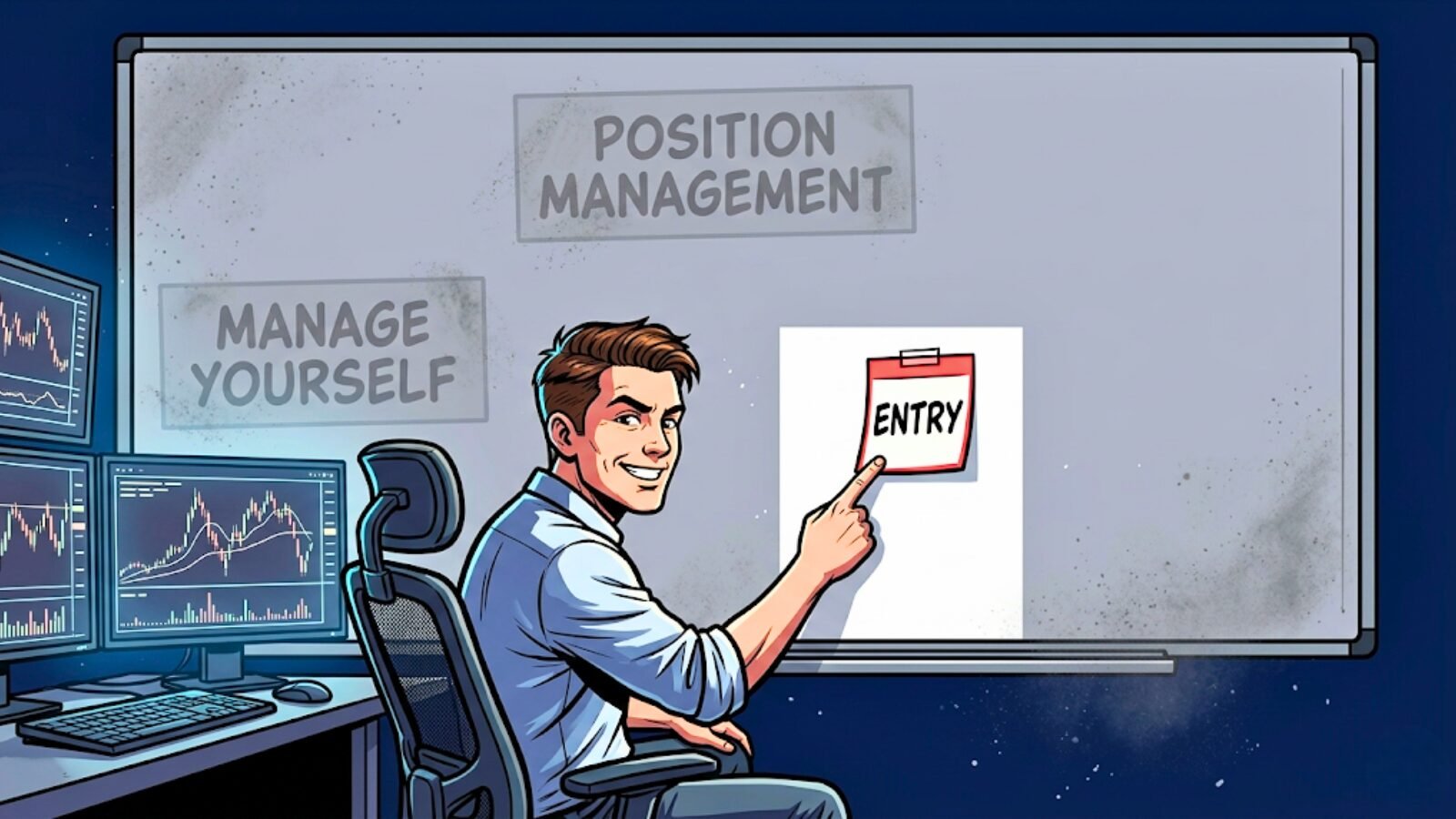
Don’t take your losses personally. A few bad trading days doesn’t make you a bad trader. You may simply need to get back to the basics and revisit your trading strategy. Take some time to study risk management which will help you manage your capital during a losing streak without sustaining huge losses. 

What to do: 

Take a break from trading and do something else. 

Consider taking just one trade per day until you rebuild your confidence. You may even refrain from trading for a week and go on vacation, giving the markets a chance to shift momentum and your mind space to recalibrate. Once you are fully confident in yourself, your strategy, and your plan, continue with business as usual. 

Take an inventory of your losses and celebrate your wins. 

Take a serious inventory of your trades and assess why you’re on a losing streak. What is preventing you from being profitable? The answer to that question will differ depending on your situation. Perhaps you’re having a hard time spotting good trades, market behavior is unpredictable, or you simply need to spend more time doing your homework. Take your wins and losses, journal down what went right or what you can improve on and close down everything for the day. Watching securities continue to run after your trade could invite a case of FOMO, putting you right back on the wrong side of your losing streak. 

Revisit your trading strategy. 

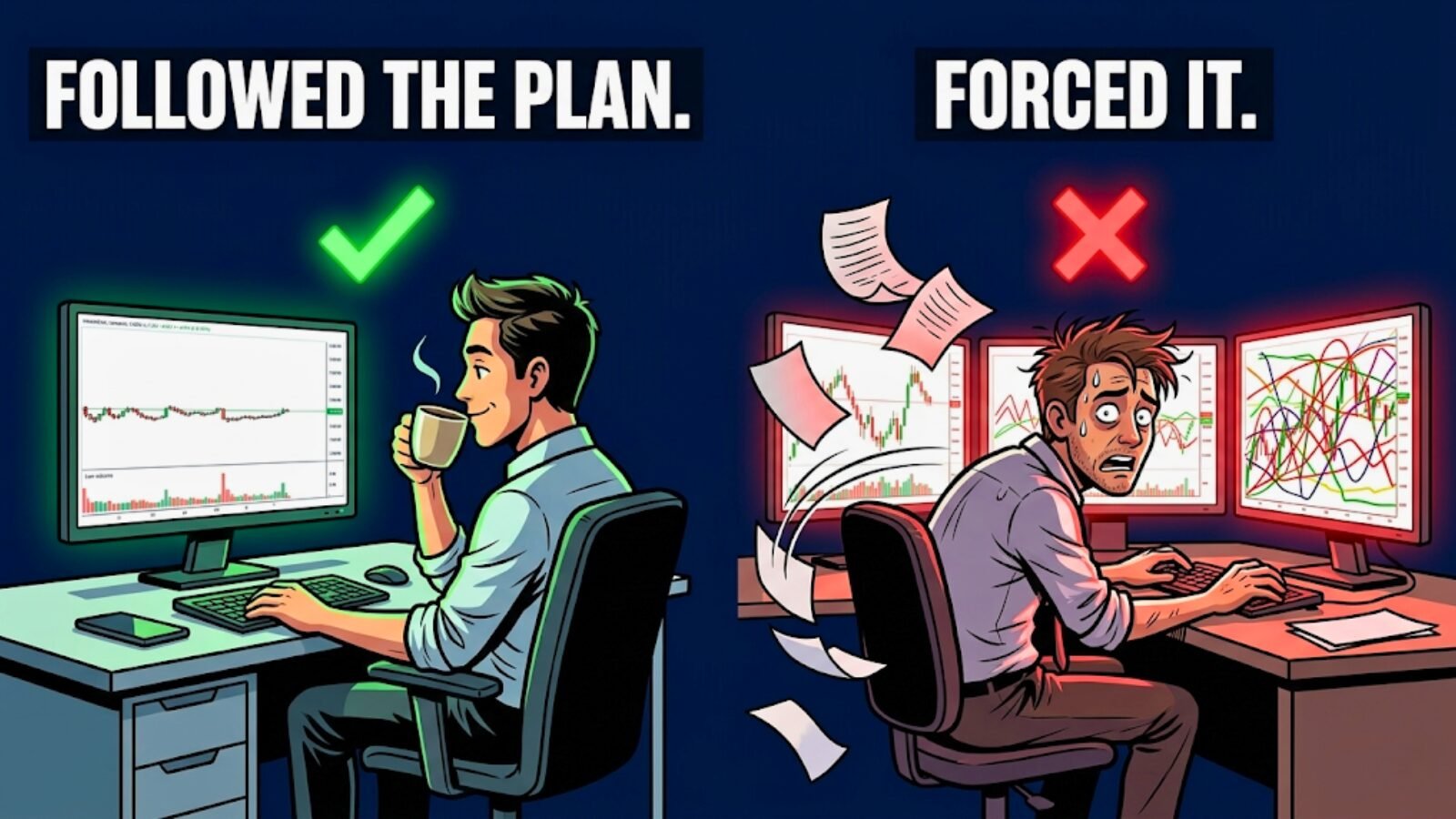
All strategies work, just not all of the time. Use your trading strategy as a guide to get back on track. Assess what’s working and what’s not working honestly and without judgment. Then, make adjustments where needed. While you may need to make small changes to your trading plan to address gaps, your focus should be on mastering your strategy, not creating a new one. By jumping from market to market and system to system, you could end up prolonging your losing streak. Consistency is the key to making it to the other side profitably. 

Adopt a learners mindset. 

Accept that trading is a lifelong learning process and get back to the basics. Paper trade. Read books. Practice charting. Take a trading class. If you feel jaded about trading, restore your curiosity by soaking up as much information as possible. 

Regulate your emotions and mind your mental health.

Trading is an exercise of logic and emotion. Make sure you’re eating, sleeping, and exercising to keep your mind healthy and operating at its full potential. When you trade while tired, hungry or physically exhausted, you spend valuable mental capital that could assist you in your trading. 

Find a mentor or a support group, but beware of chatroom trading. 

While in the middle of a losing streak, you may feel personally targeted by the market. This is where a community comes in handy. The right community could confirm that the market isn’t attacking your trades since other traders will be echoing the struggles you’re experiencing. A mentor or support group can give you ideas and techniques you may not have been able to discover on your own.


One caveat, beware of chatroom trading. Social media can provide a ton of value or be a pool of bad advice that doesn’t align with your trading style or strategy, creating more confusion. 

Journal about your trading goals. 

You will want to determine the root cause of your losing streak. Maybe the market is just not producing opportunities that fit your strategy. Maybe your execution is off or you are just not executing enough, missing possible winners when they present themselves. Perhaps you’re psychologically self-sabotaging your profitability. 

Journaling can help uncover repetitive habits that are costing you money. 

Never, ever give up. 

Remember this is a marathon, not a race. The goal is to achieve consistent profitability, not to catch every possible winner or hit a home run on every attempt. Keep a positive attitude, maintain situational awareness and stay consistent. 

The bottom line 

Even when you’ve done all of your homework and nailed down your trading strategy, all traders inevitably have losses. The best traders practice how to lose because how you handle losses makes the difference. Even if you go bankrupt, you can brush yourself off and get back up. Be humble, learn from your losses and get back out there!


Get out there and crush it!

For real-time insight follow me on Twitter! @Mv3Trader

Comment below with your opinions and questions.

reinvesting-capital-gains

How To Invest Your Trading Profits Like A Pro

reinvesting-capital-gains

You’ve been trading like a pro; and you’re profitable. Now what?

As your account grows, you may be tempted to put your profits back into the market and take larger risks. Do your mental and emotional health a favor — take your money and invest back into yourself. Instead of risking your hard earned earnings on the market, build wealth by diversifying your investments.

Check out these helpful tips on how to make your money work for you. Then, download our eBook for proven strategies to scale your income through multiple revenue streams. You’ll thank yourself later.


Create a safety net

No matter how experienced you are, the market is constantly evolving and behaving in volatile ways. It’s inevitable you will make poor trading decisions from time-to-time. In addition to mitigating mistakes, the best traders protect their profits by planning ahead for unpredictable scenarios.

It can be helpful to have a fallback account in case you succumb to emotional trading habits. Put a percentage of your profits into a reserve each month. If your account blows up, you’ll have money set aside to continue your trading. Protect your gains by establishing a maximum trading account size and deposit surplus funds into your reserve.

Open a savings account to earn interest on your money. Keep in mind, most savings accounts have minimum balance requirements, low long-term interest rates and withdrawal fees. So, this may only be ideal if you plan to make limited withdrawals and allow your reserve to grow over time.

The peace of mind you’ll have knowing you have money saved will reinforce positive trading habits and ensure your continued success.

Pay yourself

Enjoy the fruits of your labor by allocating a percentage of your earnings each month to pay yourself. If you plan to pursue trading as your main source of income, consider establishing a trading LLC to offset your living expenses and maximize tax benefits.

Active traders who trade frequently enough or have an established trading business can receive tax advantages, including home-office and health insurance premium deductions. Talk to a qualified expert, like Trader Tax CPA, which specializes in trader-specific tax services.

Note: seek professional counsel before making any tax-related decisions.

Re-invest into long-term positions

If your trading strategy is focused around short-term, momentum trading, consider reinvesting your profits into mid-term and long-term trades that require less oversight.

Dividends

Invest in stocks that pay dividends. As companies do well and earn a surplus amount of money, they take a percentage and divy it up between shareholders. The payouts may be meager, but like interest, small gains add up over time.

Swing trading

Swing and position traders typically hold positions for several days up to several years. While the profits are not as immediate as scalping or day trading, longer-term holds have the potential to accrue massive gains over time.

Options trading

Options trading is considered less risky than stocks because it allows you to predict future price moves without the obligation of buying or selling on the spot.

Retirement investments

If you’re trading while working for an employer, take advantage of your 401k by investing your surplus trading profits. Many employers will match your 401k contributions up to a certain amount.

For self-employed traders, consider opening an Individual Retirement Account (IRA). There are various kinds of 401ks and IRAs, each offering different savings and tax benefits. Do research to understand what type of retirement plan fits your lifestyle.

Invest into land or real estate

The possibilities with real estate and land investments are seemingly endless. However, these assets require active participation and development in order to generate income. Be sure to assess your bandwidth and choose an investment option that fits your lifestyle and personality.

Real estate

There are several options with real estate investments. Purchase tax liens at auction to acquire properties at heavily discounted prices; or flip homes for profit.

Property management is a viable option for those with a knack for hospitality. Once you’ve purchased or renovated a home, rent to tenants; or take advantage of online rental listings like Airbnb. Hire a property management firm to take the stress out of renting, or do it yourself.

You might also consider using your income from the market for real estate wholesaling. Connect home buyers and sellers by contracting properties and selling them for a profit. Check out this video to learn more.

Land investing

Develop the property you want by purchasing land. Choose between residential, commercial, farm, recreational land, and more. Grow crops; pave and rent a parking lot; establish a brick-and-mortar commercial building or build a new home.

Start or scale a business

Use your trading profits for startup capital or to scale a business you own. Pay for business expenses such as paid advertisements, equipment or services. Acquire products to resell via retail arbitrage or with Amazon’s FBA program which helps sellers store, package and ship their products.

Become an angel investor

Take the Warren Buffett approach and help other businesses scale by becoming an angel investor. There are a number of businesses starting up or expanding that offer equity in exchange for funding. Your investments can yield higher rates of return if they perform well. Join a website, like AngelList, that connects investors who have spare cash with startups that need capital.

Explore other revenue streams

There are tons of ways to make the most out of your money. We’ve only skimmed the surface. Get our ebook All Traders Need Multiple Income Streams for more practical ideas and hands on tips to scale your trading profits.


The Bottom line

Depending on your financial and lifestyle goals, you may benefit from reinvesting the profits you earn from trading into multiple revenue streams. Consider opening a savings account; diversifying your trading portfolio with long-term holds; purchasing land or real estate; establishing a business; or helping others scale their ideas. Most importantly, pay yourself because you deserve it! Give yourself a pat on the back and keep crushing the market.


Get out there and crush it!

For real-time insight follow me on Twitter! @Mv3Trader

Comment below with your opinions and questions.

use-price-action-like-a-pro

Use Price Like A Pro For Better Market Predictions

use-price-action-like-a-pro

If you want to make money trading, it’s critical to understand how markets move, beginning with the fundamentals. While the rules of engagement vary across all market types, whether stocks, crypto, forex, options and others, one key feature serves as a foundation for them all — price action. Not understanding how price works in the markets is like not knowing how to keep score in any sport. Without price, there are no winners or losers.


Mastery of price action is a minimum requirement for any serious trader who wants insight into what triggers people to buy and sell. Price action is a window into human psychology that can help you maximize risk-to-reward ratios, more accurately predict price trends and better time entries and exits.


An entire book could be written about price, but here’s a simple overview to help you get started.

What is price?

Every tradable asset, whether a stock, contract or crypto, is assigned a price. In the stock market, a company receives a valuation and market cap prior to an initial public offering (IPO) that helps determine the cost and quantity of shares released to the market. Similarly, cryptocurrencies begin with zero valuation during an initial coin offering (ICO) and rely heavily on marketing to generate interest and investors.

Once an asset is made available for trading, price is at the mercy of public opinion. As demand increases, price also increases. As demand decreases, price follows.


What is price action?

Credit: Business Insider

Price action is the movement of price over time and the measure of a market’s historical performance. On a chart, price action indicates an asset’s opening price, closing price, highs and lows within a given time frame.


How to read price action:

You may use a combination of technical analysis tools to study price action.

 
Line charts

Line charts are easy on the eyes and simple to read, making them a great place to start for beginner traders. Created by connecting closing prices over time, line charts only illustrate closing prices. Highs, lows and opening prices are not included.

Line chart | Credit: TC2000
 
Bar charts

Bar charts, expand on line charts with vertical bars that illustrate highs and lows, and dashes that show opening and closing prices. A bar will be shaded green if the price closes higher than its opening; and inversely, shaded red if the price closes lower than its opening.

Bar chart | Credit: TC2000
 
Candlestick charts

While candlesticks are the most complex charts to read, they also offer the most detailed information about price. Similar to bar charts, candlesticks show opening and closing prices, as well as highs and lows. A hollow candle indicates a higher closing price than opening price; while a filled candle indicates a lower closing price than opening price. Colors of the candles may vary depending on your broker; however, a green, or lighter shade, indicates a price increase in comparison with the previous candle, while a red, or darker shade, signifies a price decrease.

Candlestick chart | Credit: TC2000


Why price matters

Traders study historical price patterns to help make decisions on whether to buy or sell assets. Large spikes in price or sudden shifts in price momentum can signal changes in market interest and valuation of an asset.


To buy or not to buy

Depending on your trading strategy, you may time your entries around price, buying at lows and selling at highs.


When price opens low and closes high buyers are in control. A series of higher highs and higher lows point to an uptrend, indicating an increase in price.


Uptrend | Credit: TC2000


On the other hand, when price opens high and closes low, sellers are in control. A series of lower lows and lower highs point in the direction of a downtrend.


Downtrend | Credit: TC2000


Understanding price action can help you determine whether to take a bullish or bearish position on a trade, or wait for a trend reversal.


Value and performance

Price is the reflection of a publicly traded company or asset’s valuation on the market. Fluctuations in price over time can tell you a lot about how the public rates a company’s performance. Price often increases on positive news or earnings; although “positive” is subject to market interpretation.


What to look out for


Market sentiment

Within the stock exchange, spend a significant amount of time studying market indexes and the trickle-down effect of price patterns to sectors, industries and stocks.


Also, take note of overall market interest. As an asset becomes overbought (demand exceeds supply) or oversold (supply exceeds demand), price will also fluctuate.


Highs and lows
price-action-highs-and-lows
Display of stock exchange market quotes

Compare historical highs and lows with current price points to determine the likelihood an asset will move up or down and how much space it has to increase or decrease relative to previous moves. This can help you set price benchmarks and determine risk-to-reward ratios.


Also, as prices near areas of support and resistance (previous lows and highs) the probability of reversal increases.


Trend reversals

What goes up must come down. Look for changes in price action momentum and price patterns to help predict future trends. Take note of how long a price has been increasing or decreasing before taking a trade. The further you are into the trend, the higher the likelihood of a reversal. Sharp spikes are often an indicator of impending crashes.


Within a single uptrending period, there can be dramatic price movements in both bearish and bullish directions. Study price action over various time frames to understand short-term and long-term trends and how they relate. Be sure to trade in the direction of least resistance to maximize your earnings.


Dividends and stock splits


On the stock exchange, companies often issue dividends and stock splits that increase the supply of shares in the market and dilute the value of a stock’s price. Similarly, reverse-splits decrease the supply of shares in the market and compress the value of a stock’s price.


The bottom line

Understanding price is the first step toward being a profitable trader. However, it’s not enough to use price alone to make investment decisions. Use price along with other technical and fundamental indicators to improve your predictions. Use technical analysis tools and study market sentiment to understand trends. Then, take your research to the markets and make money like a pro!


Get out there and crush it!

For real-time insight follow me on Twitter! @Mv3Trader

Comment below with your opinions and questions.